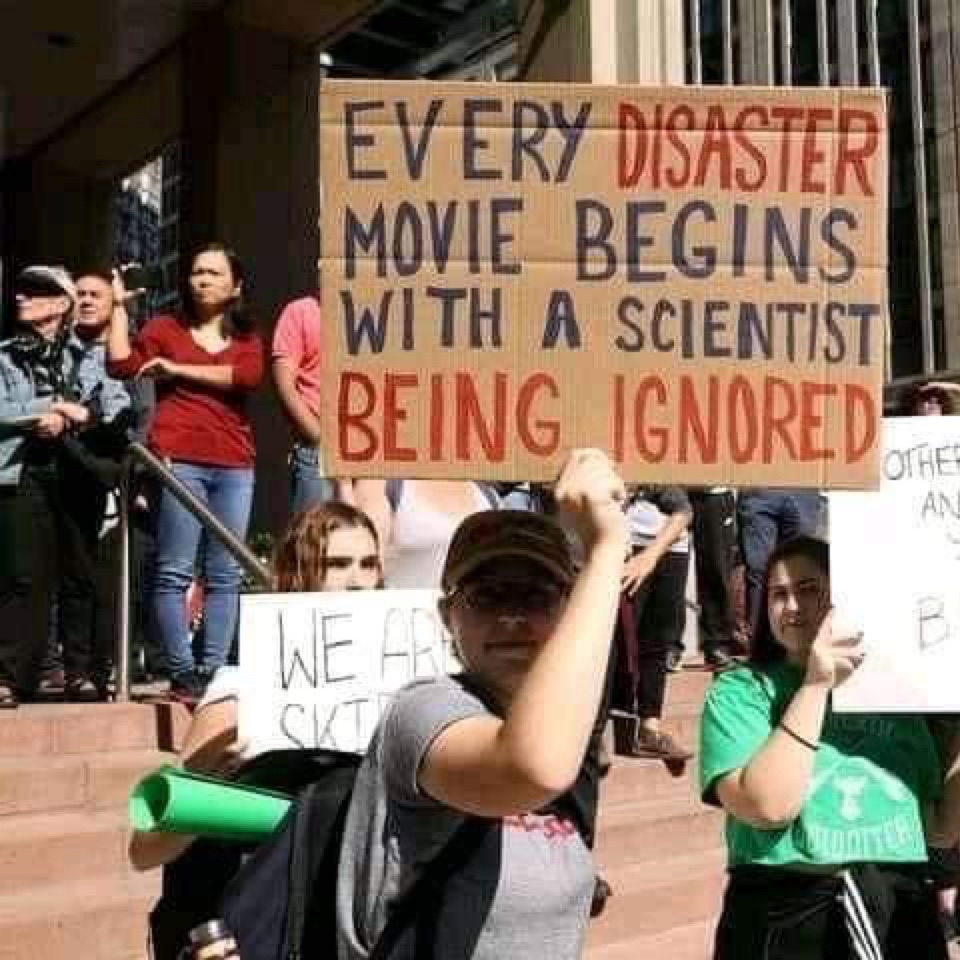
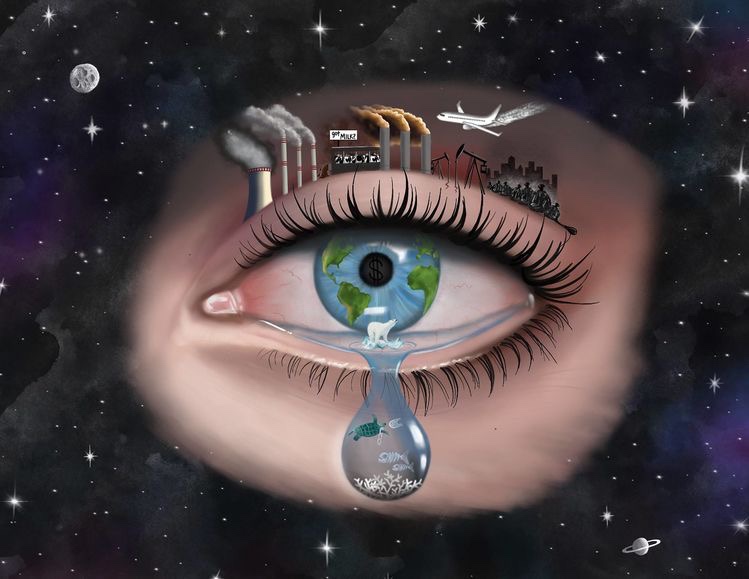
What is really happening to the home that we are living?
The planet that we are living is slowly dying.
Many other aspects of the global climate are also changing.
Temperature extremes and heavy precipitation events are becoming more common, while glaciers and snow cover are shrinking and sea ice is receding.
Flooding is becoming more common as seas warm, rise, and become more acidic.
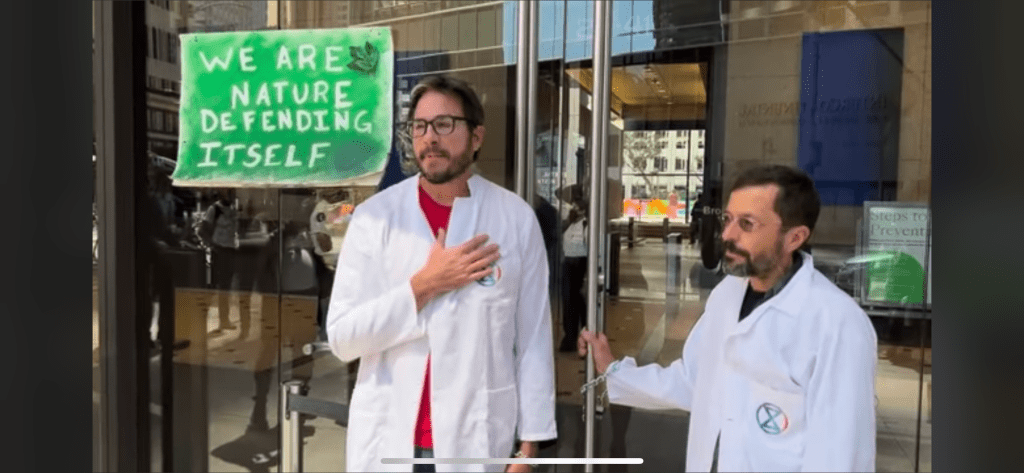
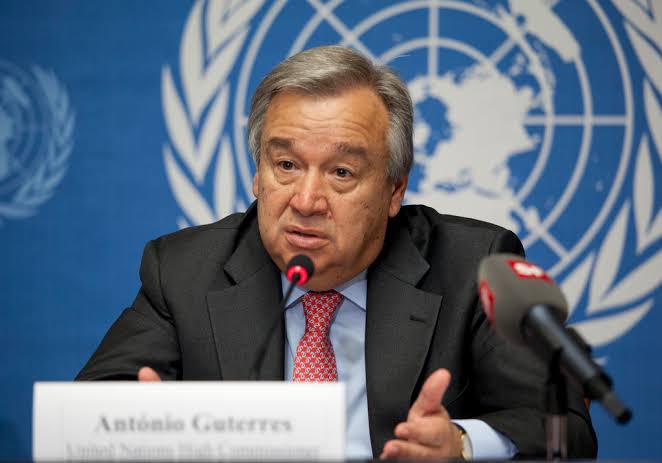
“The climate emergency is evolving faster than predicted. We must accelerate our response, with ambition and urgency. This is the battle for our lives” –
António Guterres, UN Secretary General.
Jennah Mariella P. Alcidera 11- St. Andrew
Problems that the Earth is Facing
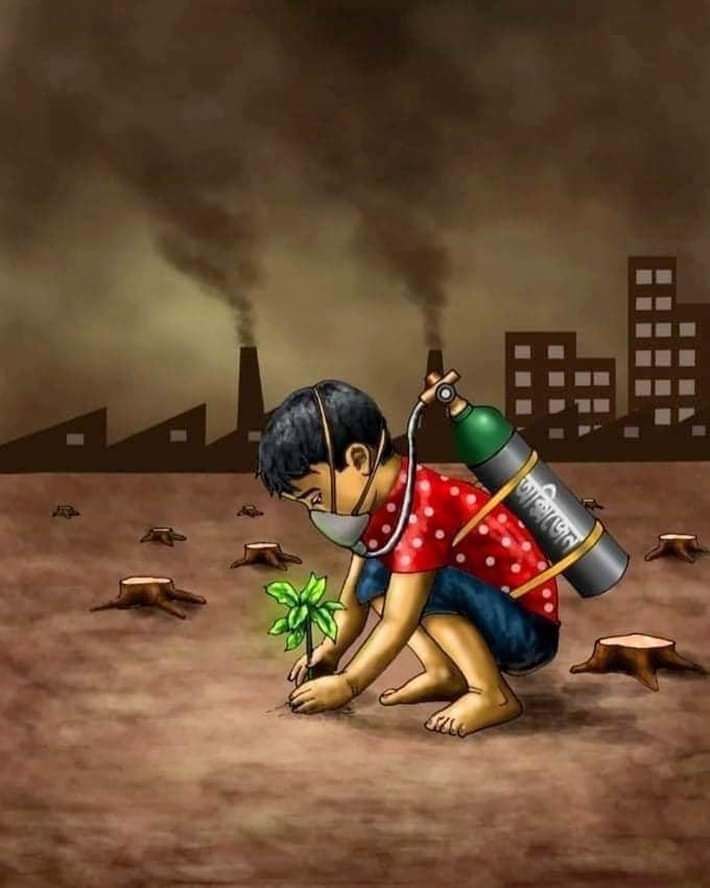
Pollution of the air, water and soil caused by toxins such as plastics, heavy metals and nitrates, caused by factors such as toxins and gases released by factories, combustion of fossil fuels, acid rain, oil spill and industrial waste.
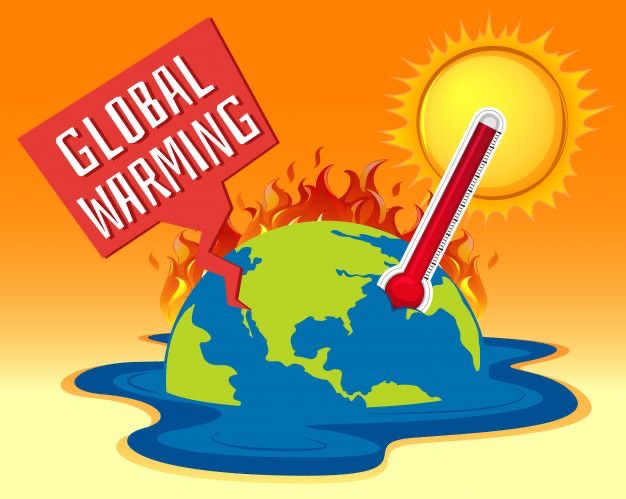
2) Global warming
The emission of greenhouse gases due to human activity causes global warming, which in turn causes an increase in temperature that then leads to rising sea levels, melting of polar ice caps, flash floods and desertification.
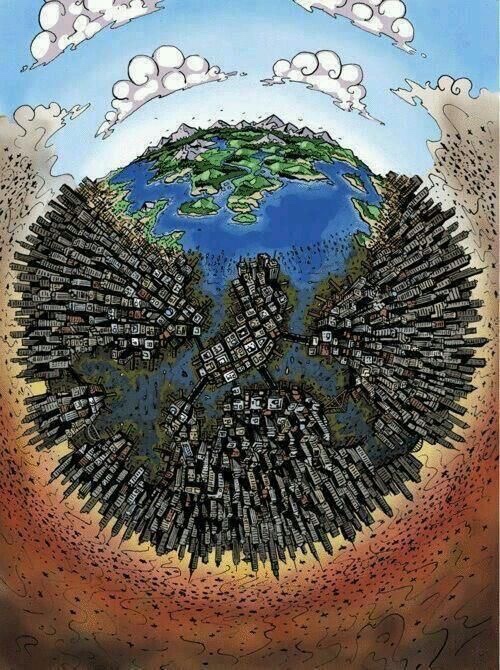
We are facing a shortage of resources such as food, water and fuel to sustain the rising global population, particularly in developing countries. Intensive agriculture attempting to lessen the problem actually leads to more damage through the use of chemical fertilizers, pesticides and insecticides.
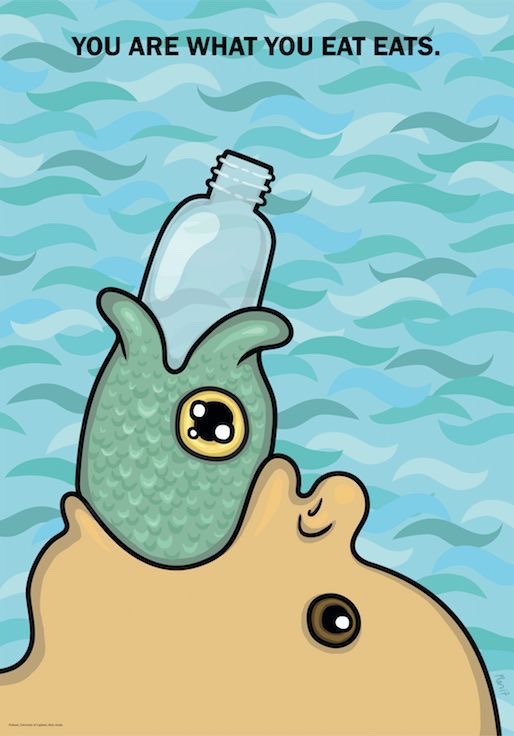
An excessive amount of waste is produced and dumped in the oceans. Nuclear waste is particularly dangerous, as well as plastics and electronic waste.
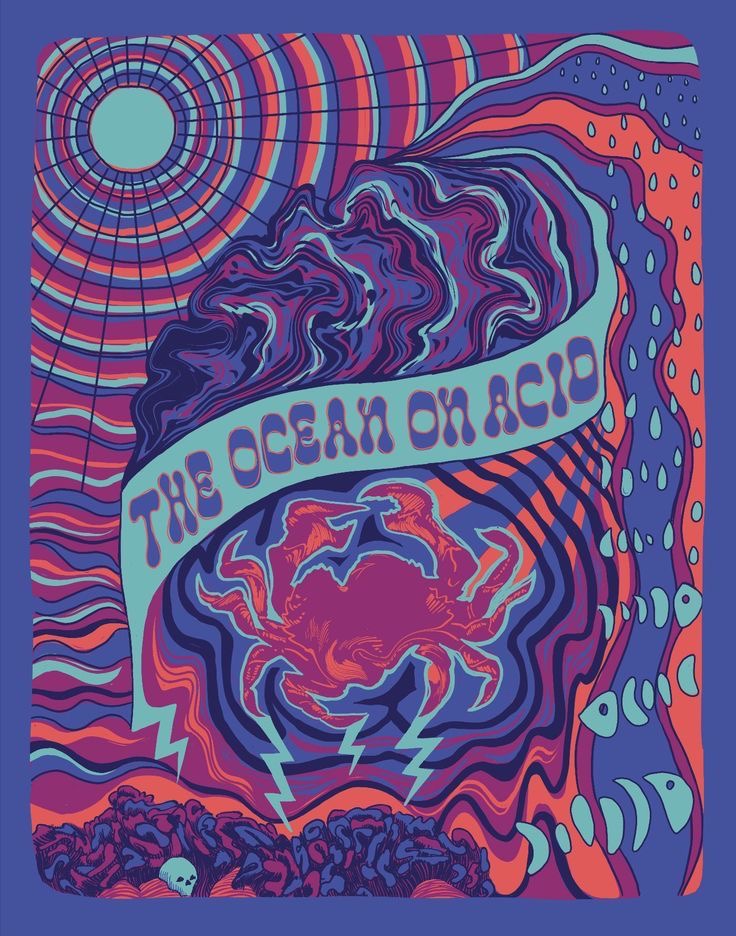
The increase in the production of carbon dioxide by humans causes the oceans’ acidity to rise, which has a negative impact on marine life.
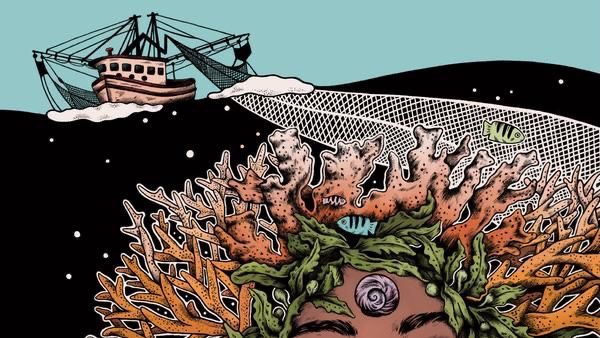
Species and habitats are becoming extinct due to human activity. This causes an imbalance in natural processes like pollination and poses a threat to ecosystems – coral reef destruction is particularly affected.
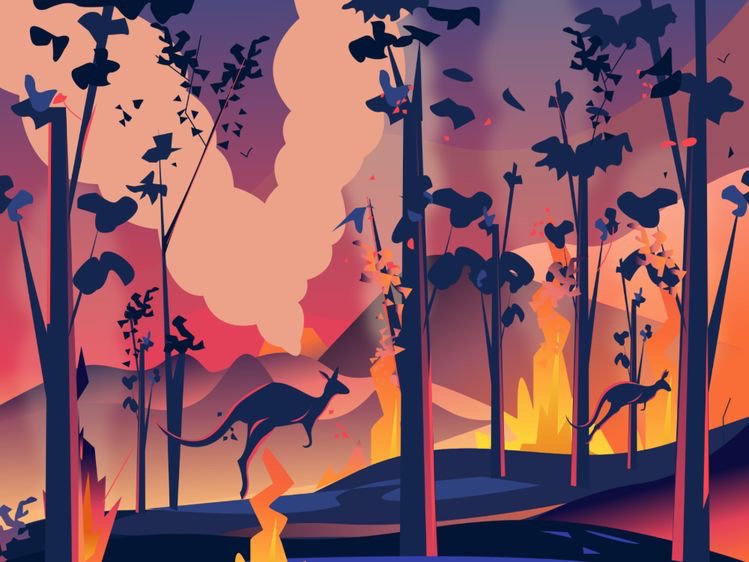
Loss of trees in order to make space for residential, industrial or commercial projects means that less oxygen is produced, and temperature and rainfall are affected.
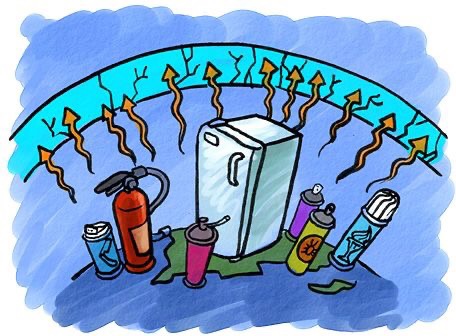
Pollution caused by chlorofluorocarbons (CFCs) in the air creates a hole in the ozone layer, which protects the earth from harmful UV radiation.
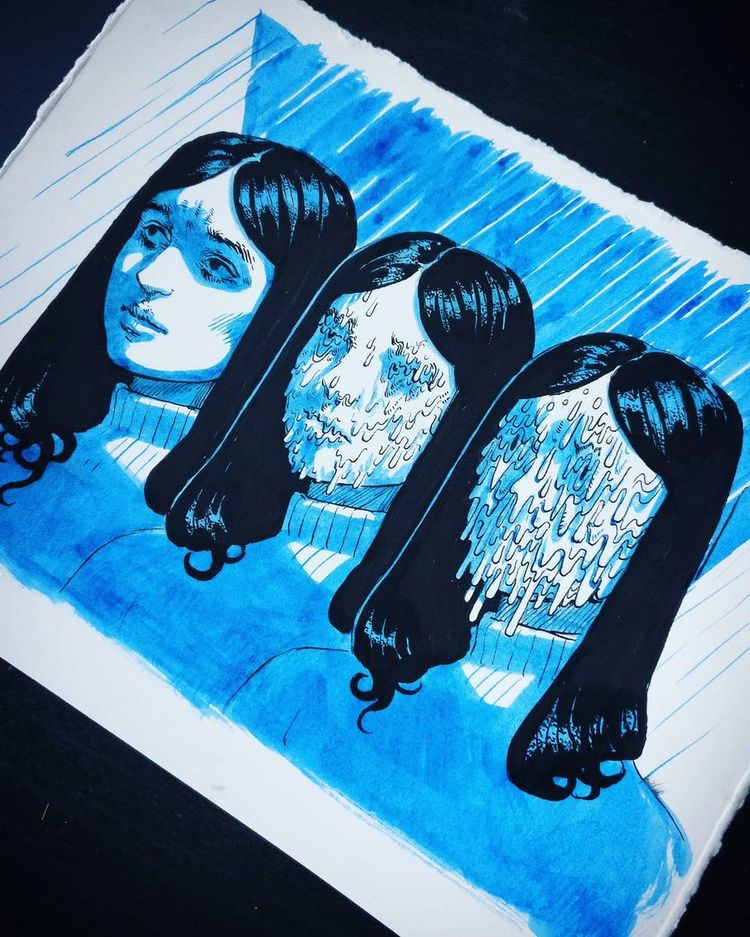
Pollutants in the atmosphere such as sulfur dioxide and nitrogen oxides cause acid rain, which has negative consequences for humans, wildlife and aquatic species.
Lack of clean water is one of the leading environmental problems currently. Pollutants in the air also cause issues such as respiratory disease and cardiovascular disease.
Ten Simple Things You Can Do to Help Protect the Earth
- Reduce, reuse, and recycle. Cut down on what you throw away. Follow the three “R’s” to conserve natural resources and landfill space.
- Volunteer. Volunteer for cleanups in your community. You can get involved in protecting your watershed, too.
- Educate. When you further your own education, you can help others understand the importance and value of our natural resources.
- Conserve water. The less water you use, the less runoff and wastewater that eventually end up in the ocean.
- Choose sustainable. Learn how to make smart seafood choices at www.fishwatch.gov.
- Shop wisely. Buy less plastic and bring a reusable shopping bag.
- Use long-lasting light bulbs. Energy efficient light bulbs reduce greenhouse gas emissions. Also flip the light switch off when you leave the room!
- Plant a tree. Trees provide food and oxygen. They help save energy, clean the air, and help combat climate change.
- Don’t send chemicals into our waterways. Choose non-toxic chemicals in the home and office.
- Bike more. Drive less.
Jennah Mariella P. Alcidera 11- St. Andrew
 What’s really happening to the earth